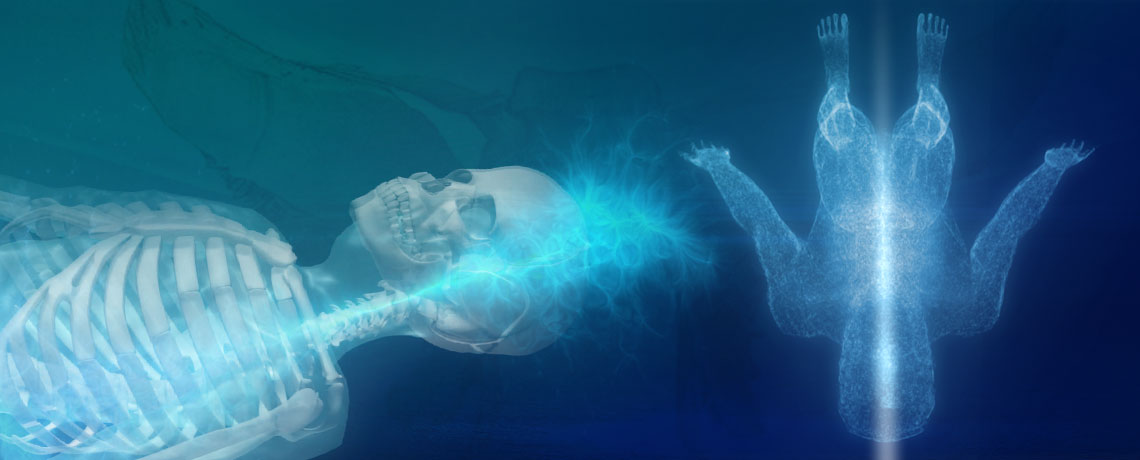
Welcome to Lyons Institute's Biodynamic Craniosacral: Volume 1 course
This is our foundational course in craniosacral therapy. In the lessons that follow, you will begin developing the skills and awareness needed to practice craniosacral therapy through the biodynamic model. This approach emphasizes stillness, deep listening, and the practitioner’s ability to perceive the natural organizing forces within the body. As you move through the material, you will learn how gentle touch, refined attention, and a calm practitioner presence can support the body’s inherent capacity to reorganize and heal.
You will also explore the roots and lineage behind this work, beginning with the osteopathic philosophy of Dr. Andrew Taylor Still and the pioneering observations of Dr. William Garner Sutherland. From there, the course draws on the biodynamic teachings that were further developed by practitioners such as Dr. Rollin Becker and later educators who helped articulate this model of practice. Understanding this lineage will help place the techniques you are learning within a broader tradition of hands-on healing and give you insight into how the biodynamic approach to craniosacral therapy evolved.
Throughout the course, you will practice a variety of foundational techniques and listening stations, including the pelvis, feet, cranial base, and other key areas of the craniosacral system. You will learn to perceive subtle movements, work with primary respiration, and develop the sensitivity required to recognize shifts within the system. Please approach the lessons with curiosity and patience, and give yourself plenty of time to practice—because skill in this work develops through experience, careful observation, and a willingness to deepen your perception over time.
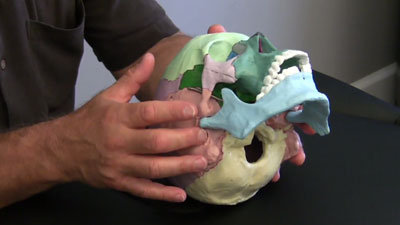
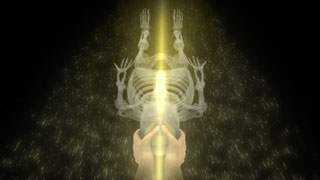
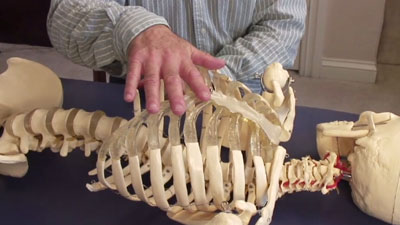
To support your understanding of these concepts, the course also incorporates 3D visualizations and anatomical illustrations that demonstrate the structures and movements discussed in the lessons. These visuals are designed to help you clearly see the spatial relationships between cranial bones, membranes, and other elements of the craniosacral system. By combining hands-on instruction with visual demonstrations, the course helps translate subtle theoretical concepts into forms that are easier to understand and apply in practice. These visualizations are used throughout the course videos, but we have also collected many of them into a video playlist that you can use anytime to refresh your memory and study the various movement patterns. You can find these visualization videos under the Course Materials tab.
Craniosacral therapy is a practice that deepens through experience, curiosity, and patience. The Lyons Institute is here to support you throughout your learning journey, and we encourage you to engage fully with the material, practice often, and reach out whenever you need guidance along the way.
