The Subtlest Touch.
The Deepest Healing.
Learn Biodynamic Craniosacral Therapy adapted for the horse — a feather-light, profoundly effective approach to calming the nervous system, realigning the cranial bones, and transforming your relationship with every horse you work with.
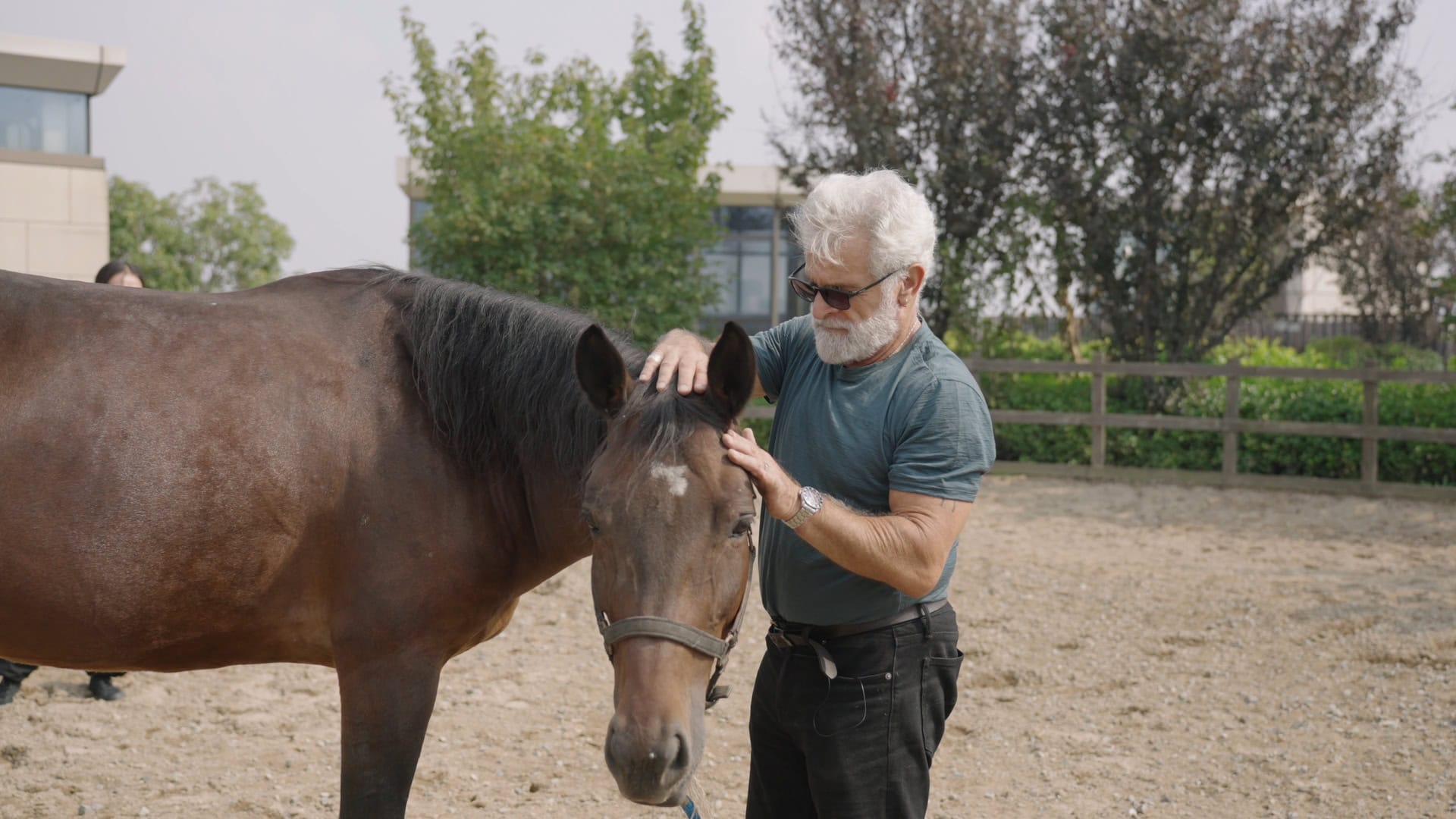
Touch as Light as a Scarf
Floating on Water
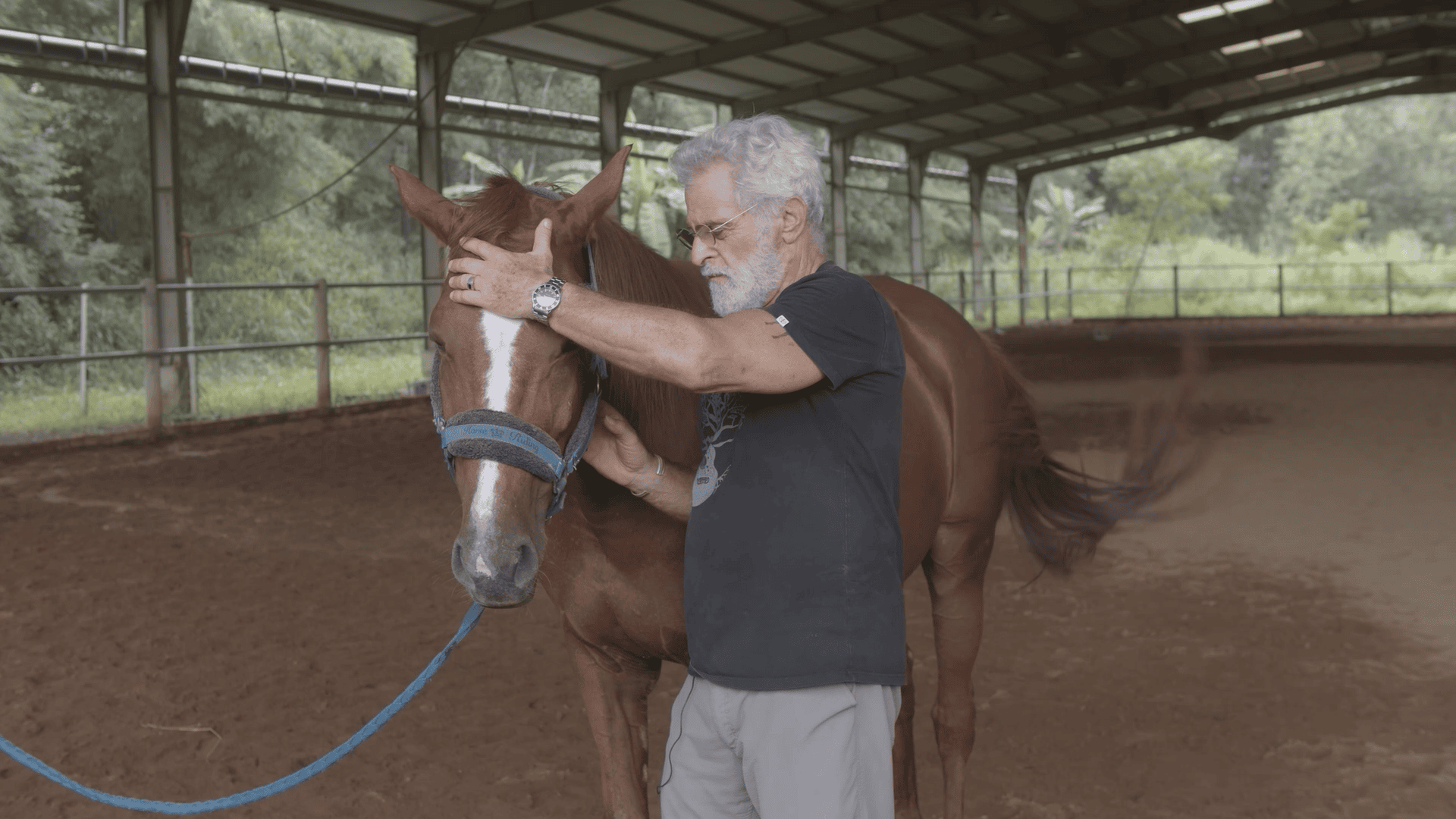
Craniosacral therapy has been practiced since around 1901, beginning with Dr. William Garner Sutherland. It is a very light technique that focuses on the fluids, bones, and their connections. The touch is so gentle — as light as the weight of a scarf or hands floating on corks — that it allows you to feel the subtle motions and energetic flows happening within the body.
Humans and horses are very different animals, and not everything in craniosacral therapy translates directly between species. This course guides you through adapting the Biodynamic model to the equine system so that you can perform every hold safely and effectively.
“Once the horse gets used to your gentle touch — and understands you’re not there to throw a saddle on them — their temperament begins to change. They relax. The more you visit with them, the deeper the connection grows, and the more powerful the healing.”
— Judah Robb Lyons
Benefits of Equine Craniosacral Therapy
The craniosacral system is one of the most powerful entry points into the equine body — and one of the most underused.
Deep Nervous System Relief
Anyone who has received craniosacral therapy knows how deeply it impacts the nervous system, producing a profoundly relaxing response. Horses kept in stalls experience tremendous mental and physical distress — CST is one of the most effective tools to address it.
Cranial Bone Alignment
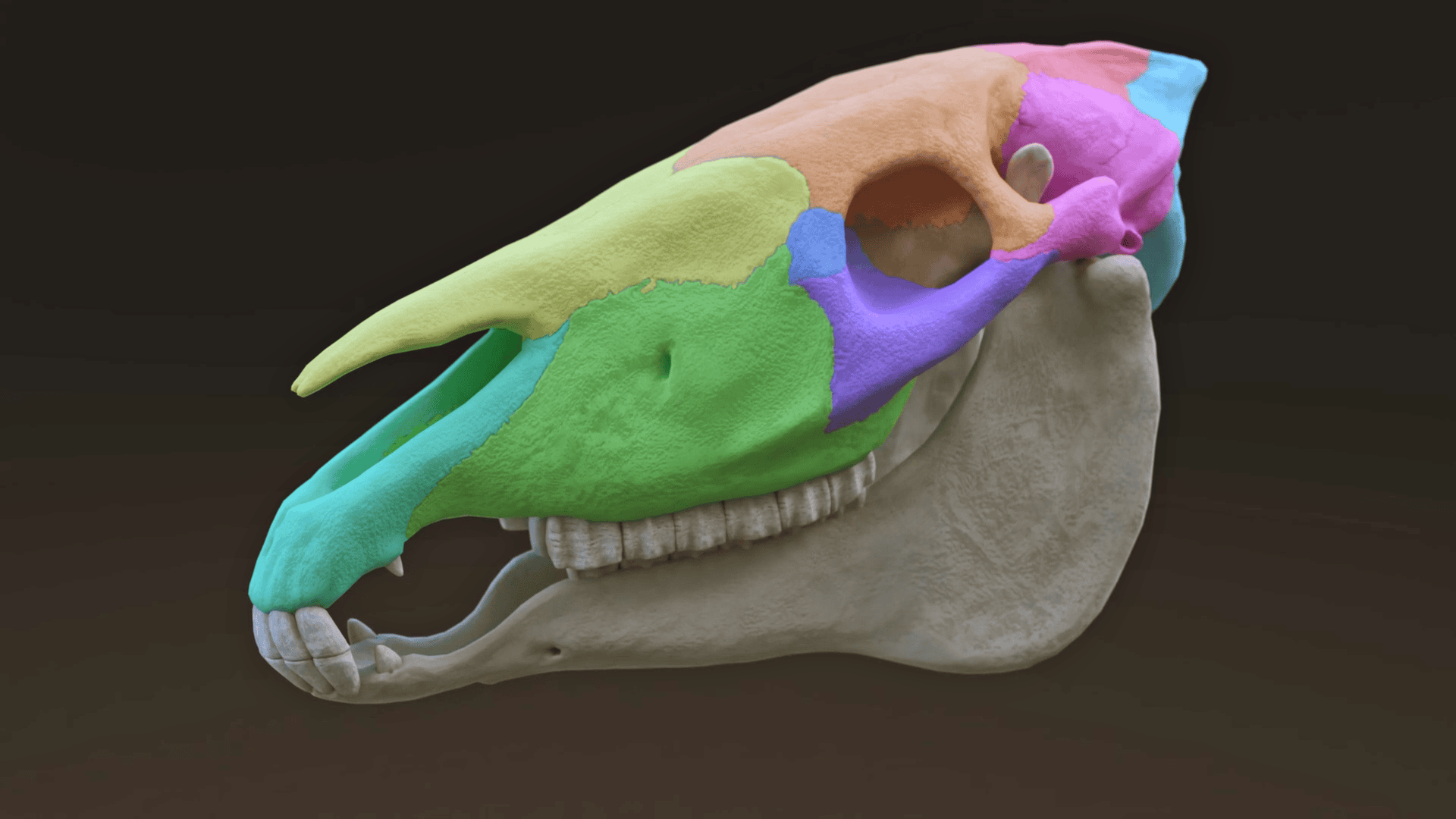
There are 34 bones in a horse’s head. If any are out of alignment, it can translate to postural changes and dysfunction throughout the entire structure. Craniosacral work addresses these imbalances at the source before they cascade through the body.
TMJ & Facial Trauma
CST is especially valuable for TMJ trauma, head and facial nerve issues, and any trauma from bits, bridles, or handling. Dysfunction in the head — from hardware in the mouth or rough handling — travels throughout the entire fascial chain. CST helps restore the balance.
Enhanced Performance
Anything that relaxes your horse produces profound and valuable performance changes. Judah worked with five Olympic three-day eventing horses preparing for London 2012 — each with different personalities, conformations, and issues that craniosacral work helped resolve.
A Powerful Entry Point
Craniosacral therapy is non-invasive, which makes it an ideal first contact with a nervous or pain-sensitive horse. Once trust is established through CST, deeper myofascial work becomes easier, gentler, and more effective.
Biodynamic Field Work
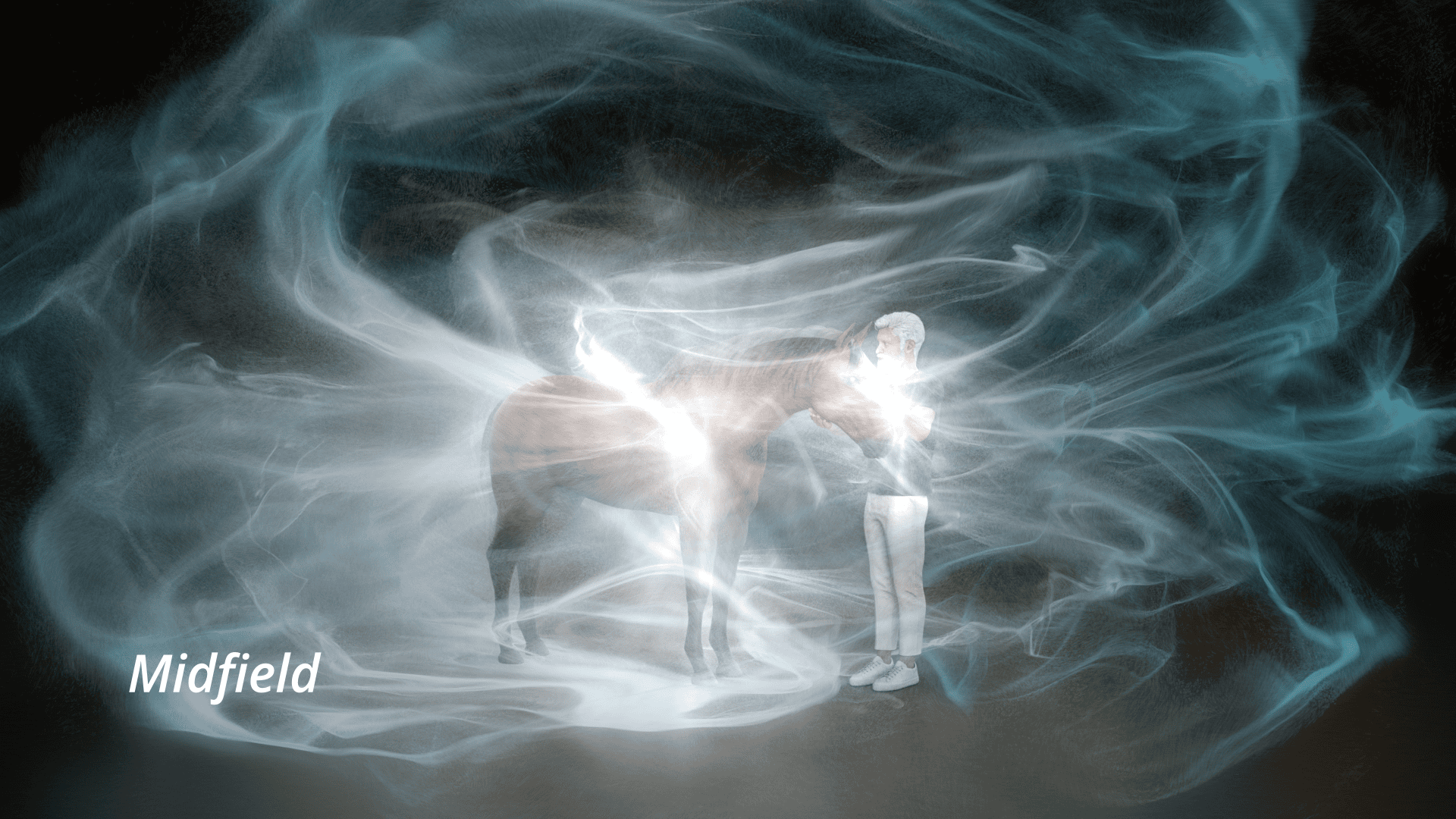
In CST you hold and project a field that envelops the horse and creates a resonant energetic space. Horses can feel this field — the same sensitivity that lets a zebra read a lion’s attitude from a distance. This changes everything about how they receive your work.
Stillness. Listening.
Letting the System Lead.
The majority of this course focuses on the Biodynamic approach to craniosacral therapy — an orientation that is less about technique and more about developing a genuine felt sense of the fluid tide moving through the horse’s system.
You begin by learning to sense the three fields of the Biodynamic model. Then you listen. You wait for the system to communicate its needs. There are also a handful of more mechanical techniques — like the frontal-nasal disengagement — for situations that call for a more direct approach.
- Learn the three Biodynamic fields and how to sense the fluid tide
- Specific cranial bone holds adapted for the equine skull
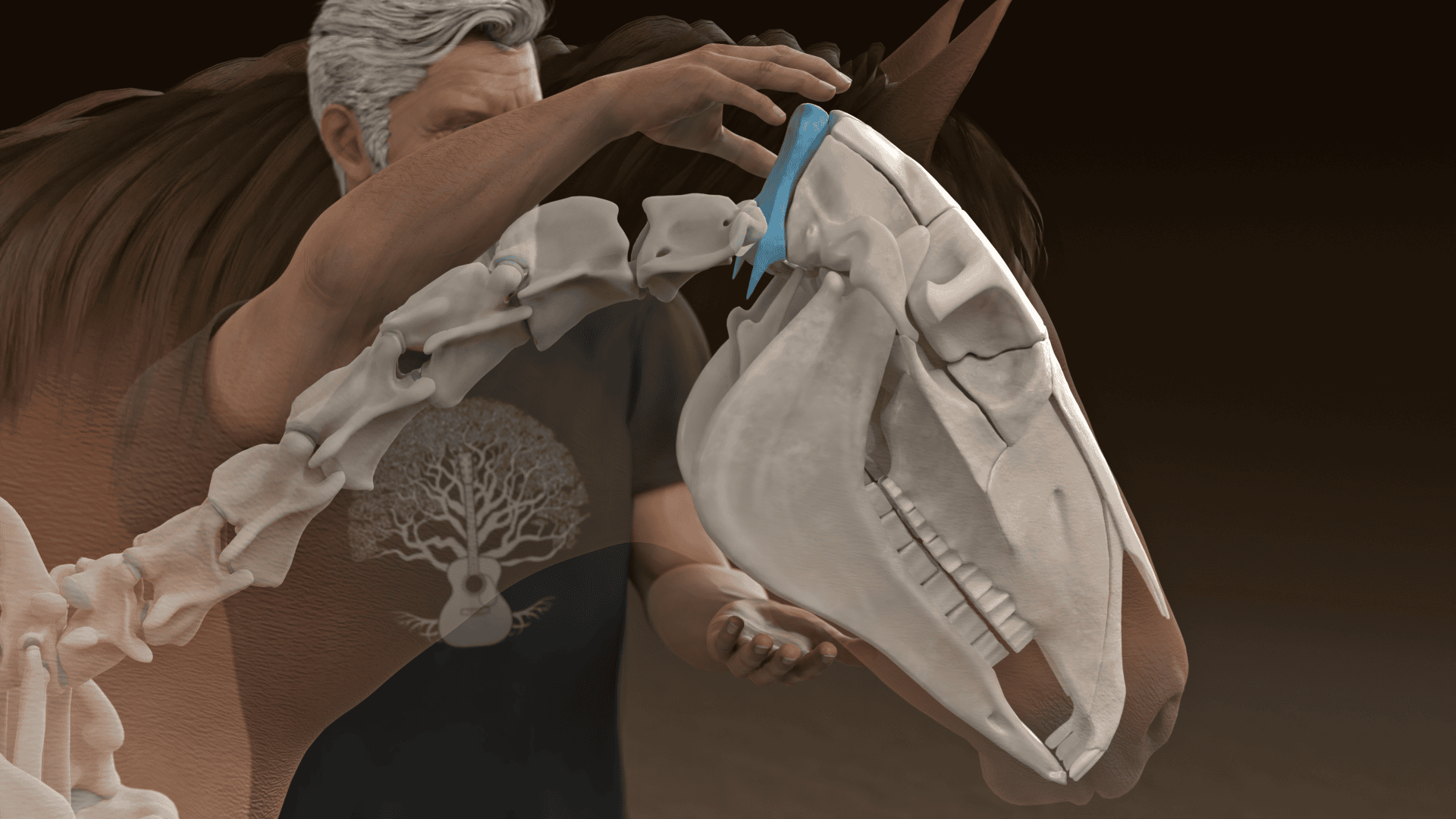
- Working the poll — one of the most important areas on the horse
- Frontal-nasal disengagement at the sutures
- Diaphragm holds and fore/hind limb holds
- How to blend craniosacral with myofascial work for maximum effect
- Reading and responding to the horse’s moment-to-moment feedback
See Inside the System
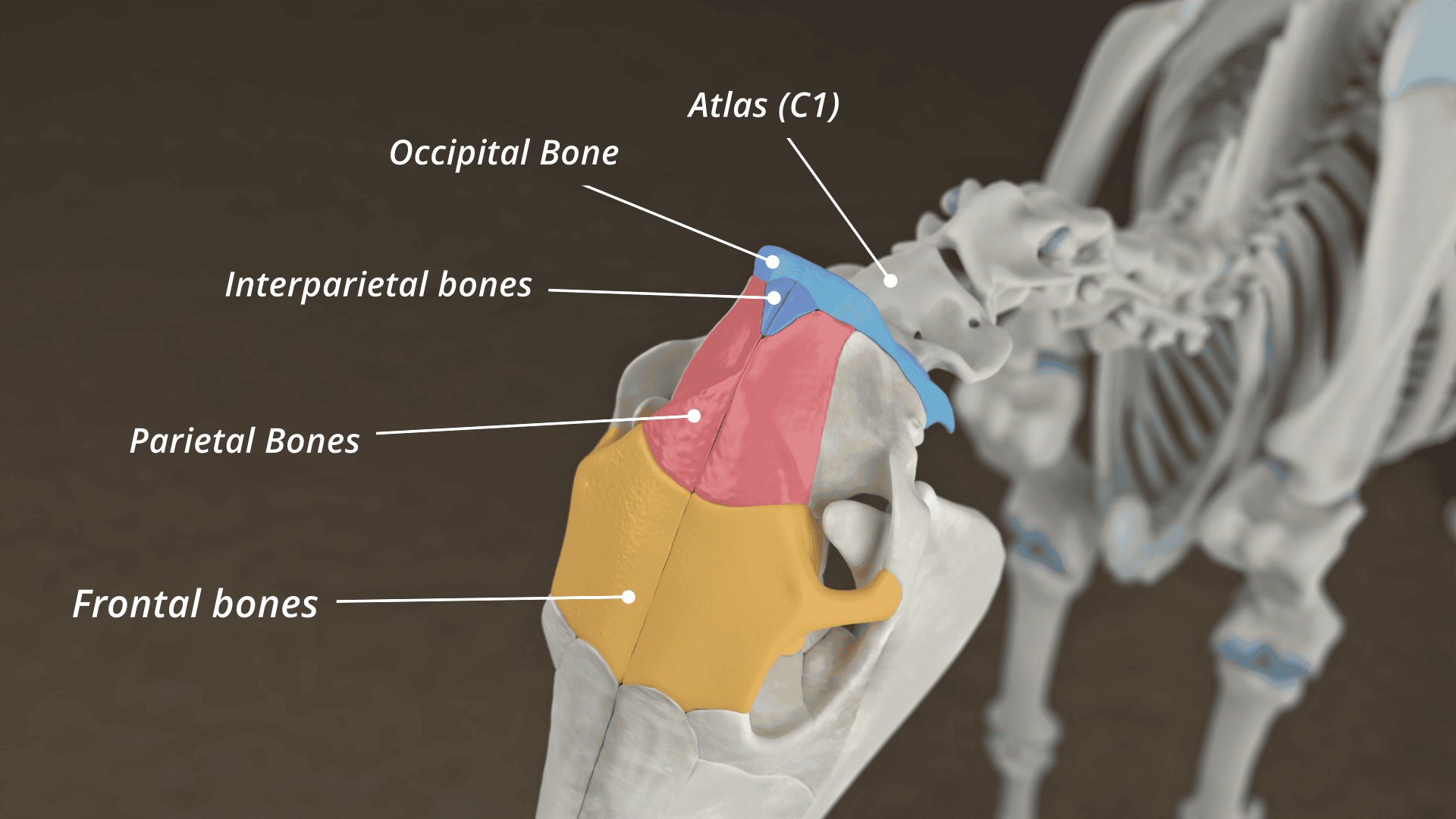
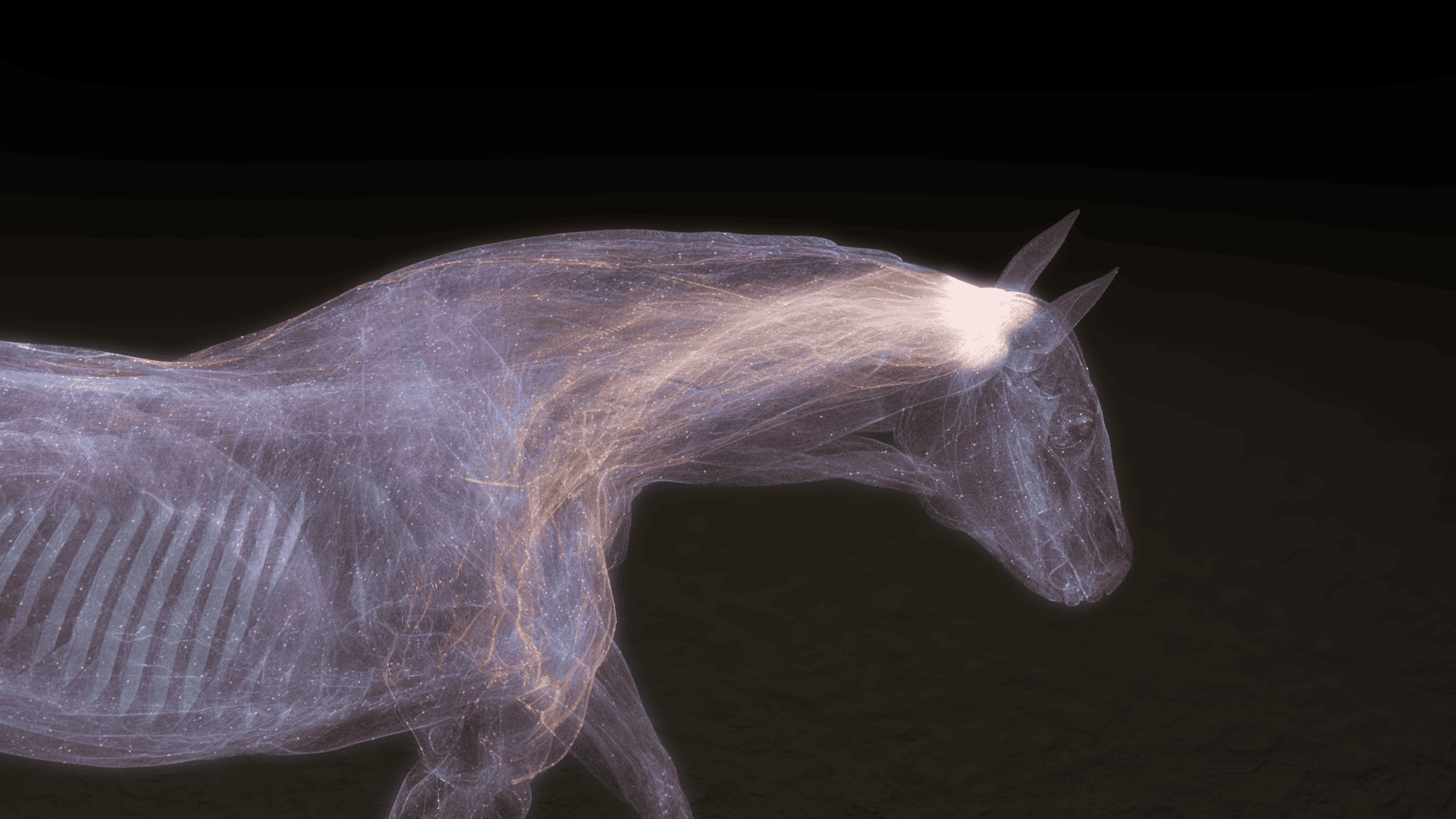
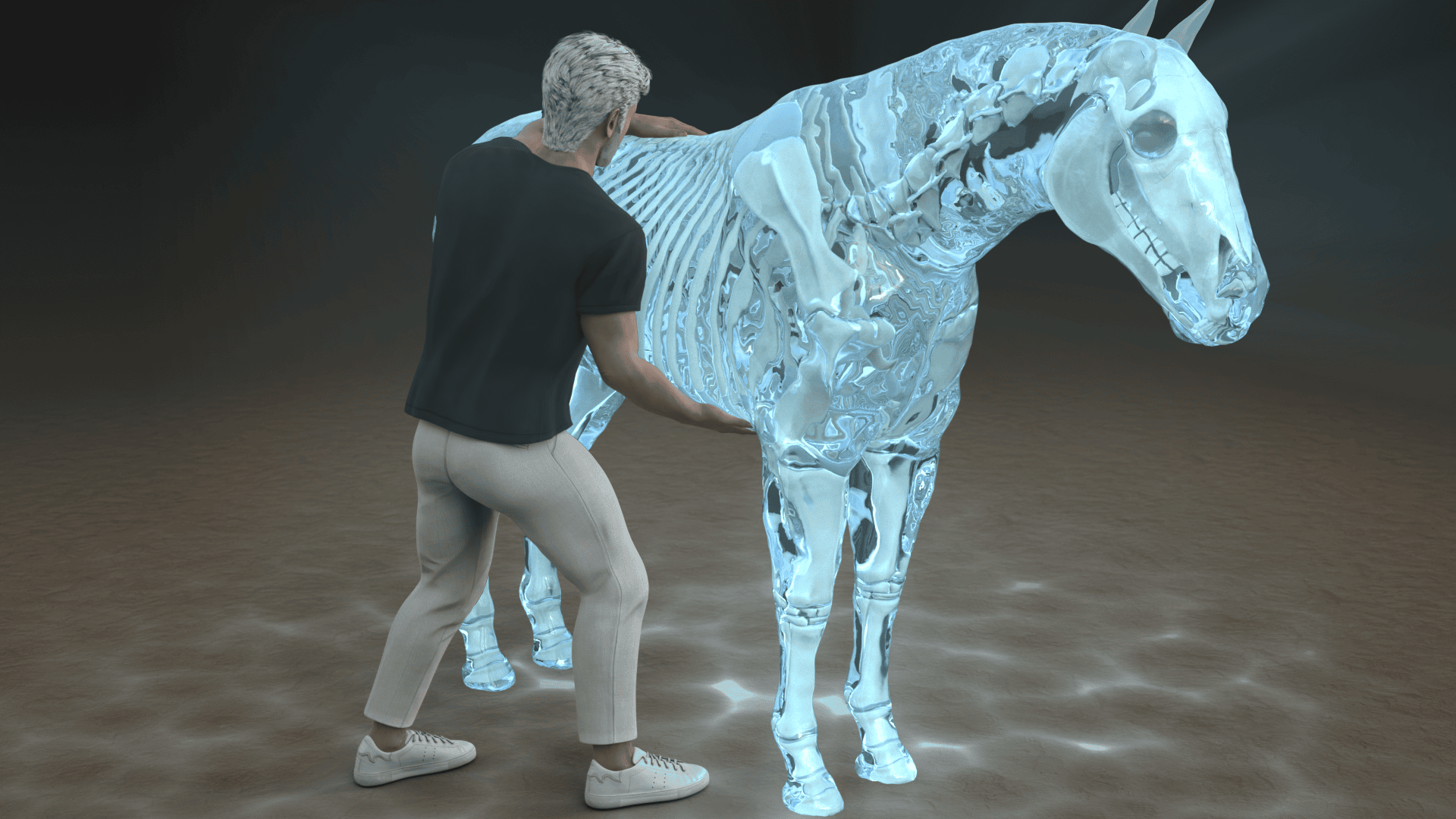
Lyons Institute has set the bar for equine craniosacral 3D animations for over 12 years. Michael Thurston’s visualizations show Biodynamic field dynamics, fluid motions, cranial bone movements, intraosseous flows, and the direction of tide — so you always know exactly what you’re feeling under your hands.
Everything in the Course
No prior craniosacral or equine experience required. Judah’s teaching style builds your confidence from the very first lesson.
22 Video Lessons
5 hours of in-depth instruction covering the Biodynamic model, every major cranial hold, the poll, diaphragm holds, and limb work — all on real horses.
3D Cranial Animations
Stunning visualizations of cranial bone movements, Biodynamic fields, intraosseous flows, and the direction of tide — so you develop a true felt sense of the work.
PDF Companion Booklet
Print it and bring it to the barn. Covers all craniosacral holds with additional context, reference anatomy, and session notes you can refer to while working.
Downloadable Videos
Download every lesson to your phone, tablet, or computer. No internet needed in the barn — the videos travel with you wherever your horses are.
Lifetime Email Support
Ask Judah anything, anytime — directly at judah@lyonsinstitute.com. His support doesn’t end when the course does. Teachers love motivated students.
6 CE Hours (NCBTMB)
NCBTMB-approved for 6 continuing education hours. Combine with the Myofascial course for a total of 14.5 CE hours toward your license renewal.
What You’ll Learn
Two modules plus a PDF booklet and course test. 22 lessons, 5 hours total.
Module 1 — Introduction & Assessment
- Welcome & Teaching Philosophy
- How to Use These Videos
- Assessment Template
- Structure & Conformation
- Equine Complex Vertebral Malformation
Module 2 — Craniosacral Techniques
- History of Craniosacral Therapy
- Field Dynamics & the Biodynamic Model
- Overview of the Cranial Holds
- Frontal Bone — Parts 1 & 2
- Occipital Bone
- Parietal & Temporal Bones
- Nasal Bone
- The Poll
- Frontal–Nasal Disengagement
- Lacrimal Bones
- Maxillae & Mandible
- Incisive Bones
- Diaphragm Holds
- Conclusion
Course Materials
- PDF Companion Booklet
- Course Test
- Certificate of Completion
- Lifetime Access to All Videos
- Lifetime Email Support from Judah

Judah Robb Lyons
Judah began working with horses at age four. By his late teens he owned his first horse and rode 600 miles along the Continental Divide. From 1970–1973 he ran the largest equitation center in Colorado under twice-Olympian Captain Zygmunt Bilwin, sometimes riding 8 horses a day.
His craniosacral training began at the Upledger Institute, followed by a two-year Biodynamic Craniosacral program at the Karuna Institute in Devon, England. In 1994 — five years after beginning myofascial work on horses — he began incorporating craniosacral therapy into his equine practice. The results were immediate and profound.
He later incorporated the Biodynamic approach, which became the foundation of this video series. His final major equine work involved caring for the five horses of an eventer who competed in the 2012 London Olympics.
“Cranial therapy is an amazing entry into the system of the equine patient. The more you visit with them, the deeper the connection grows, and the more powerful the healing ensues.”
Judah has been teaching since 1992. He is available to answer questions via email for as long as he’s teaching — and he means it.
What Students Are Saying
“I have just completed your online equine craniosacral therapy course. It was a joy! The way you teach is phenomenal. You show such grace and respect around horses. I had already begun to work with energy and feeling my way — because I prefer to listen to the tissues. I have a background in human massage and reflexology and was already familiar with this concept.”
“Dear Judah, I cannot tell you how much your enthusiastic support means to me! I just love your teaching style and how accessible you make this healing art form. You instill a heartfelt yet no-nonsense confidence in the student — paired with constant reminders that DOING the work is the key. Such amazing visuals!”
“I’m an equine massage therapist, bodyworker, and animal communicator, and I cannot thank you enough for the beautiful hearts you and Michael have poured into your work! I’m just now getting started in the craniosacral teachings, and needed to reach out to say thank you. I’m so grateful for your passion for horses.”
Choose Your Option
Take the craniosacral course on its own, or save $140 with the complete bundle that includes both Craniosacral and Myofascial Massage.
- 22 video lessons (5 hours)
- 3D cranial bone & field animations
- PDF companion booklet
- Downloadable videos for offline use
- Course test & completion certificate
- 6 NCBTMB continuing education hours
- Lifetime access — rewatch anytime
- Lifetime email support from Judah
Craniosacral + Myofascial Massage
- Everything in the Craniosacral course
- Full Equine Myofascial Massage course
- 45 total video lessons (~10 hrs)
- 3D muscle, fascia & cranial animations
- 39-page PDF companion booklet
- 14.5 NCBTMB CE hours
- Lifetime access to both courses
- Lifetime email support from Judah
FAQ
Do I need prior craniosacral or equine experience?
Not at all. This course introduces everything from the ground up. If you have prior bodywork or massage training, you’ll transition easily. If you already work on horses, Judah promises there’s a wealth of new knowledge regardless of your level.
How is equine craniosacral different from human CST?
The principles are the same, but the anatomy and approach are quite different. A horse’s skull has 34 bones, and their body proportions require entirely different holds and contact points. Judah specifically teaches you how to adapt everything for the equine system.
How long do I have access?
Forever. All videos are downloadable. If you ever have an equipment failure, just log back in and download them again. There’s no time limit.
Do I need veterinary supervision?
You don’t need to be supervised, but Judah strongly encourages you to build a relationship with your veterinarian. Their knowledge of anatomy, conformation, and health challenges will dramatically accelerate your learning and make you a better practitioner.
Can I take this course if I only have the Myofascial course?
Absolutely — and Judah highly recommends it. The two approaches complement each other powerfully. Once a horse accepts your presence through craniosacral work, deeper myofascial work becomes significantly easier and more effective.
What is the refund policy?
Due to the digital nature of the materials, there are no refunds. The preview videos, course outline, and FAQ give you a clear picture of what’s inside. In 17+ years of selling these courses, we’ve had only 2 return requests — neither was about course quality.
